As a content creator, I can definitely say that having everything in one place to search for assets definitely is a time saver. Navigating digital asset marketplaces often slows down your editing workflow. Additionally, producers regularly waste hours jumping between separate sites for stock footage, background music, and project templates. This comprehensive motion array review breaks down whether the platform solves this constant bottleneck.
Table of Contents
- What Is Motion Array?
- Core Features and Asset Library
- Workflow Realities for Micro-Creators
- Plugins and Software Integrations
- Collaboration and Portfolio Tools
- Detailed Pricing Plans Breakdown (Annual vs. Month-to-Month)
- Understanding Digital Asset Licensing & Post-Cancellation Guardrails
- Direct Platform Competitor Comparison
- Pros and Cons
- Frequently Asked Questions (FAQ)
- Final Verdict
What Is Motion Array?
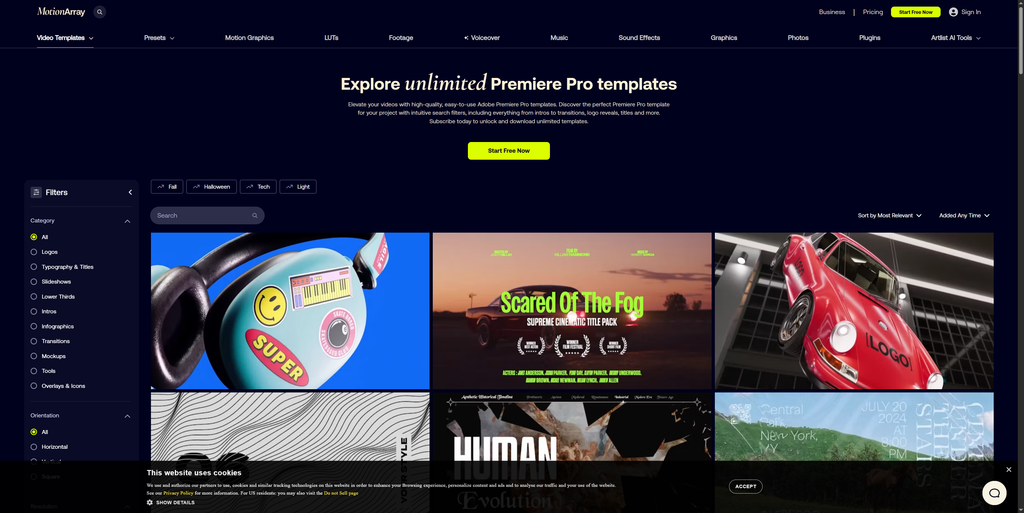
Motion Array is a subscription-based digital marketplace built specifically for video editors, independent filmmakers, and digital content creators. Instead of charging per asset like traditional media sites, it utilizes an unlimited download model. Artlist acquired the platform, and it has expanded rapidly. It now hosts millions of video assets, sound files, photos, and project templates under a single roof.
For solo creators, small agency teams, and freelance videographers, the core value proposition is consolidation. As a content creator, I can definitely say that having everything in one place to search for assets definitely is a time saver. By removing the financial friction of buying individual assets a la carte, it encourages experimentation and helps maintain visual consistency across large volumes of published work.
Core Features and Asset Library
The platform hosts over two million digital files. Because quality varies wildly on massive stock websites, platform curation remains a primary focus.
- Video Templates: Motion Array started primarily as a template hub and remains an industry leader for Premiere Pro, After Effects, DaVinci Resolve, and Final Cut Pro. Whether you need lower thirds, kinetic typography, dynamic openers, or complex data visualization elements, the template structure heavily accelerates assembly time.
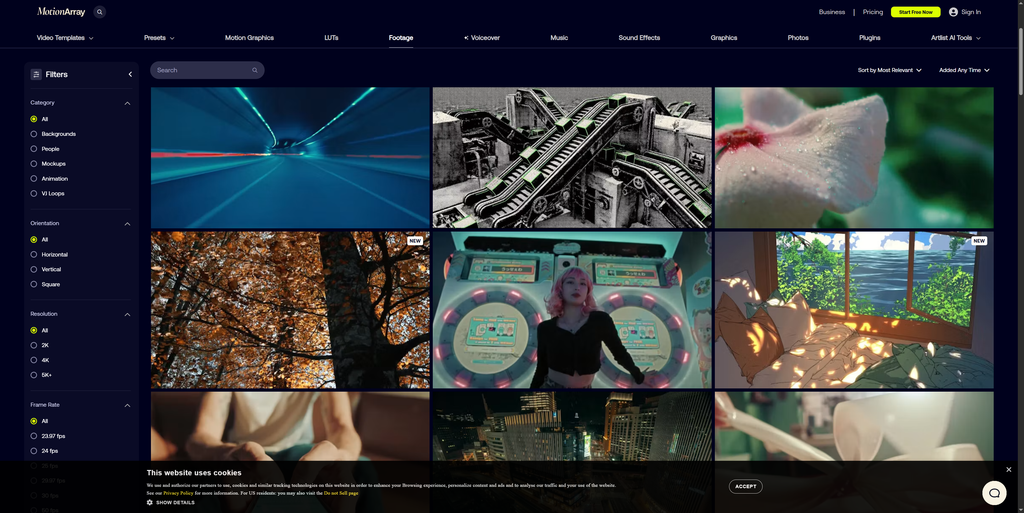
- Stock Footage: Members gain access to HD and 4K clips spanning diverse categories, from cinematic drone aerials to lifestyle b-roll, corporate setups, and specialized slow-motion captures.
- Music and Sound Effects: A vast library of royalty-free tracks and punchy sound effects simplifies audio sweetening, eliminating the need to cross-shop multiple standalone audio subscription networks.
- Photos and Graphics: Beyond standard video elements, the catalog includes vectors, stock photos, icons, and color grading LUTs designed to give footage a unified cinematic grade.
For a granular breakdown of how these assets stack up against rival repositories, see our detailed guide on Motion Array vs. Envato Elements.
Workflow Realities for Micro-Creators
Motion Array serves as a strong platform for a micro-creator looking to get professional assets. The price point might feel a bit more expensive when you are first starting out in content creation, but because it delivers a polished, professional look to your brand, it can easily be worth the investment if your budget allows.
When acquiring new subscriptions, habits can sometimes shift. For instance, when I first got Motion Array, I tried to download as much as I possibly could, even if I knew I wasn’t going to use the assets anytime soon. Creators often see something appealing and think, “Maybe I’ll use this later down the line, even if it is six months from now.” Grabbing those files immediately ensures you do not have to hunt for them later.
Managing this digital hoarding habit effectively requires disciplined local caching and clean folder structures—practices further explored in our guide on how to organize a high-performance editing workflow.
Plugins and Software Integrations
Efficiency defines modern editing pipelines. Motion Array bridges the gap between web browsing and timeline editing through dedicated native extensions.
“Using native extensions allows creators to search, preview, and import assets directly inside Adobe Premiere Pro and After Effects without opening an external web browser.”
This direct integration cuts context-switching down significantly. Furthermore, some assets are easier to implement than others. You will find simple transitions that drop right into Premiere Pro where you can drag and drop them directly into your sequence, whereas others require more steps involved to get them to work correctly, such as modifying Essential Graphics text parameters or linking After Effects Mogrt templates.
For a broader look at timeline optimization tools, check out our review of essential video plugins every creator needs.
Collaboration and Portfolio Tools
The platform goes beyond a standard asset library by including workflow tools tailored for freelancers and small teams.
- Video Review Tool: Creators can upload rough cuts, share custom-branded review links with clients, and gather frame-accurate timestamped feedback. This minimizes the back-and-forth friction of timecodes sent via messy email chains.
- Portfolio Builder: Members who lack web design experience can quickly spin up a clean, professional video portfolio website hosted directly through the platform, showcasing their best reels and client work under a customized layout.
Detailed Pricing Plans Breakdown (Annual vs. Month-to-Month)
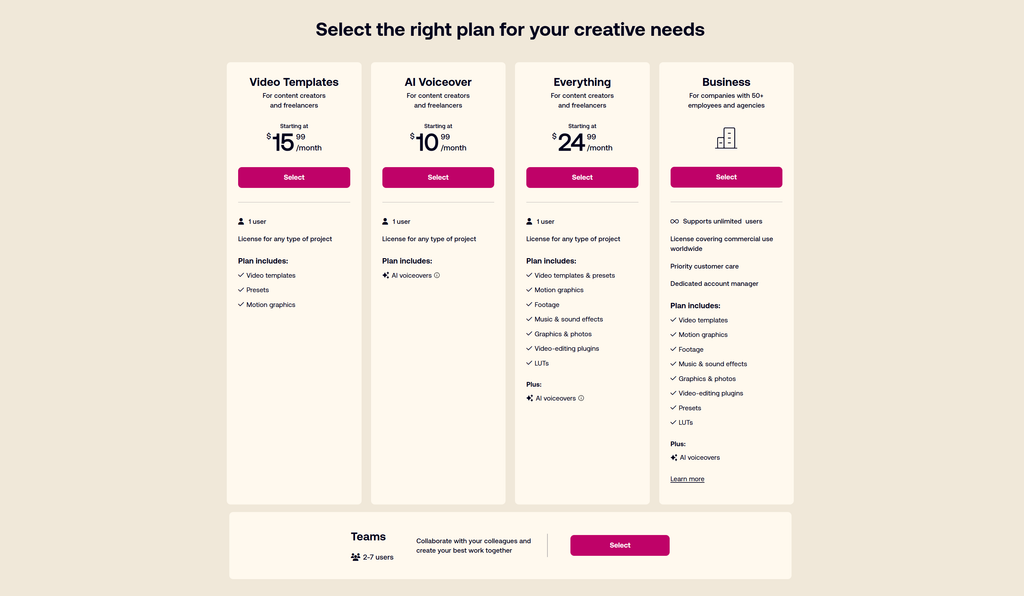
Understanding the financial commitment helps determine if the platform fits your production scale. A key friction point for freelancers is the distinction between annual commitments and month-to-month flexibility. As with monthly and yearly subscriptions, it’s always nice to try something out to see if it’s a good fit for where you are right now as a content creator versus paying for the whole year, even if you will get a discount.
Evaluating the cost-benefit analysis comes down to volume. If you routinely purchase individual After Effects templates ($20 to $50 each) or stock music licenses ($15+ per track), the annual Everything Plan pays for itself within just a handful of completed projects.
Understanding Digital Asset Licensing & Post-Cancellation Guardrails
Navigating commercial licenses can be tricky for independent creators. Motion Array uses a straightforward blanket commercial license model, meaning anything downloaded and utilized during an active subscription is cleared for commercial use indefinitely on that project.
However, strict post-cancellation guardrails apply:
- Published Projects: Any video or asset rendered, published, or baked into a completed project while your subscription was active remains legally protected forever. You do not need to take down videos if you cancel.
- New Projects: You lose the right to pull fresh assets or use un-rendered, archived raw project files downloaded from the platform in new commercial client projects once your billing cycle lapses.
For a comprehensive legal perspective on digital asset management, see our deep-dive on understanding digital asset licensing for freelancers.
Direct Platform Competitor Comparison
To evaluate where Motion Array stands in the broader market, it helps to review its primary alternative:
- Motion Array vs. Envato Elements: While Envato Elements boasts a massive 26+ million total asset catalog that includes web templates, fonts, and 3D graphics, Motion Array wins decisively on video-first curation, integrated client review tools, and native Adobe timeline extensions. If your focus is strictly video production, motion graphics, and post-production workflow speed, Motion Array offers a cleaner, more streamlined user interface.
Pros and Cons
Every platform carries unique strengths and drawbacks. Weighing these factors helps ensure you pick the right tool for your setup.
Pros:
- Truly unlimited downloads subject to a high daily cap designed to prevent automated web scraping.
- Simple, straightforward commercial licensing that covers completed projects perpetually.
- Seamless timeline integration for Adobe applications via native panels.
- Extra utility features like client review links and portfolio hosting that save money on third-party SaaS tools.
Cons:
- Downloaded assets cannot be used in new commercial projects if you cancel your subscription.
- Month-to-month pricing options carry a significant markup compared to annual commitments.
- Plugins are optimized primarily for Adobe products, leaving non-Adobe editors (like DaVinci Resolve or Final Cut Pro users) with fewer direct workflow perks.
- Single assets are unavailable for a la carte purchase for users who only want one specific file.
Frequently Asked Questions (FAQ)
Can I use Motion Array assets for monetized YouTube channels?
Yes. The standard commercial license covers YouTube monetization, client work, social media platforms, and corporate projects, provided the assets are integrated into a larger creative work rather than redistributed standalone.
Are the sound effects and music tracks truly royalty-free?
Yes. All audio files cleared through the platform are royalty-free, meaning you will not face copyright strikes or content ID claims on platforms like YouTube or Vimeo when your subscription is active.
Can I share a single individual account with my editing team?
Individual plans are licensed for single users. If multiple editors need access to shared asset libraries, centralized billing, and admin controls, you must upgrade to the Team Plan.
Final Verdict
Motion Array delivers immense value for active video creators, independent freelancers, and small agencies. Despite larger library sizes elsewhere, Motion Array leads with curated quality, a clean interface, and built-in collaboration features. If you regularly pull in templates, stock clips, or royalty-free audio, the Everything Plan pays for itself within just a few projects.
Ready to streamline your video production workflow and explore advanced editing resources? Dive deeper into professional strategies by reading our guide on how to organize a high-performance editing workflow and check out our breakdown of essential video plugins every creator needs. To receive weekly tips, industry news, and creator breakdowns directly in your inbox, make sure to subscribe to the YT Torials newsletter.

No responses yet