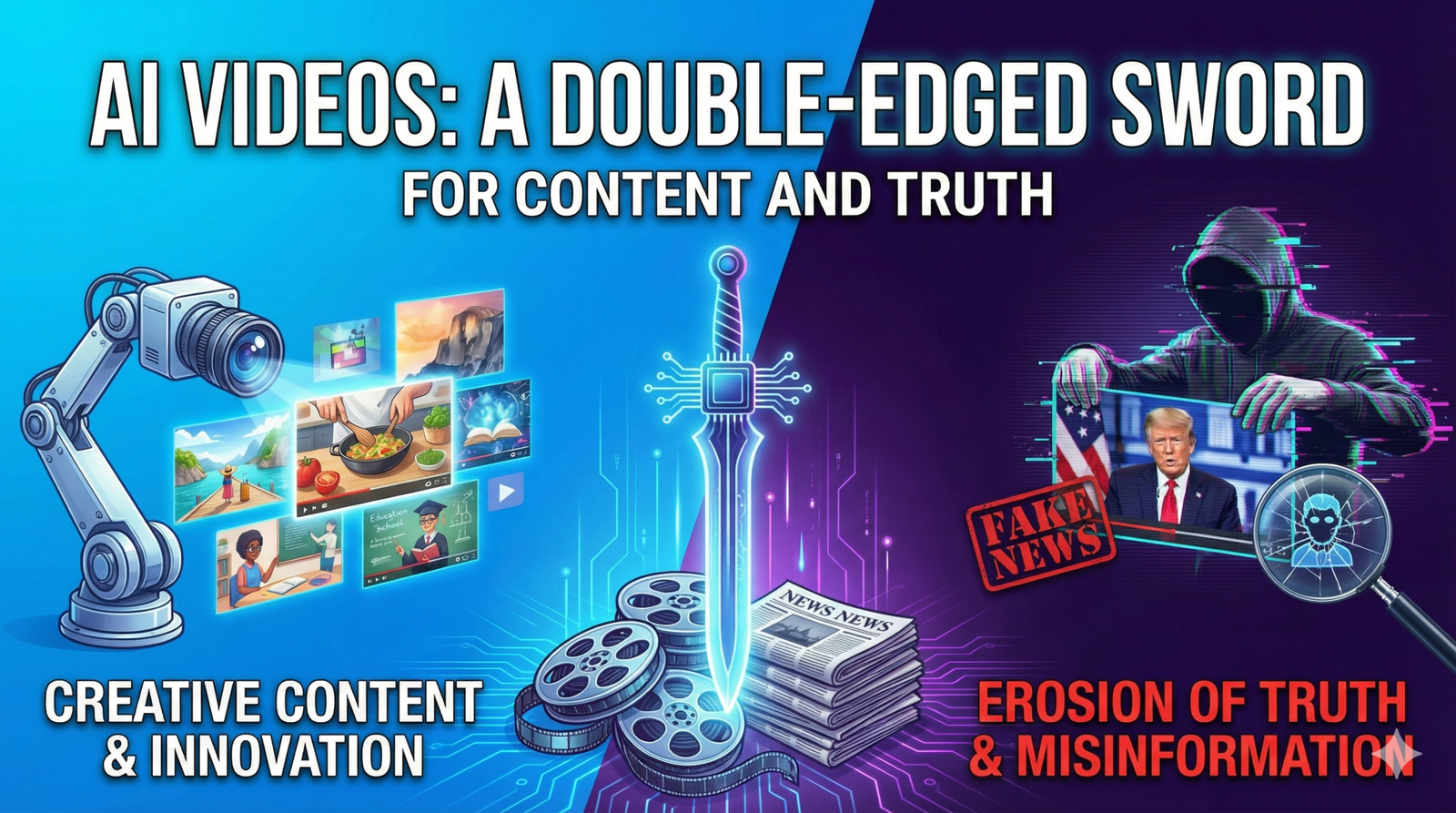
Video creation is changing forever. Just a few years ago, making a professional-looking video required expensive cameras, a studio, lighting equipment, and a powerful computer for editing. Today, however, the landscape is completely different. Artificial Intelligence (AI) has stormed onto the scene, offering tools that can generate realistic videos, clone voices, and animate characters with just a few clicks.
This technological shift is undoubtedly exciting. For many, it feels like magic. You can type a simple sentence, and suddenly, a high-definition video appears on your screen. Consequently, creators and business owners are rushing to adopt these new tools to save time and money.
However, this rapid innovation brings big worries. As AI becomes more powerful, we are forced to ask difficult questions about what is real and what is fake. Is that video of a celebrity actually them, or is it a digital puppet? Therefore, we must look closely at the good, the bad, and the ugly sides of this AI revolution to understand our future.
The Good: Unleashing Creativity for Everyone
The most obvious benefit of AI in video production is accessibility. Previously, high-quality video marketing was a luxury reserved for big companies with massive budgets. Now, AI has leveled the playing field.
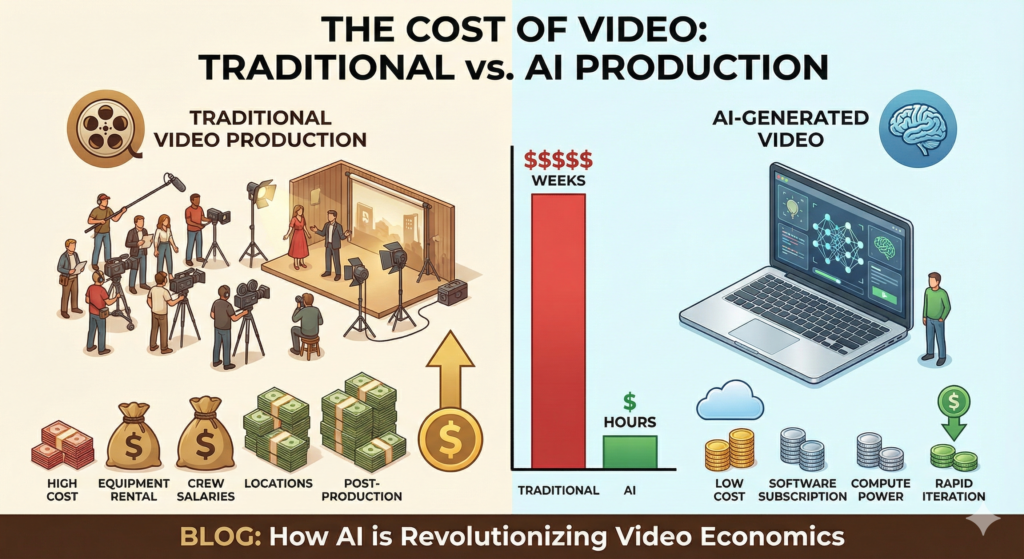
- Speed and Efficiency: What used to take weeks can now be done in minutes. AI tools can automatically edit footage, remove background noise, and even generate b-roll.
- Cost Reduction: Small businesses no longer need to hire entire production crews. With the right software, a single person can produce studio-quality content from their bedroom.
- Global Reach: AI dubbing tools can instantly translate a video into dozens of languages, preserving the original speaker’s voice tone. This allows creators to reach audiences all over the world without expensive localization teams.
For example, imagine a local bakery owner who wants to showcase their new pastries. In the past, they might have posted a shaky phone video. Today, they can use AI to create a polished, animated explainer video about their ingredients.
Furthermore, stock footage is evolving. Services like Envato Elements are becoming essential. While they provide the raw materials—like high-quality stock video and music—AI tools can now sift through these massive libraries to find the perfect clip in seconds. In our Envato Elements review, we discuss how combining traditional assets with AI efficiency is the secret weapon for modern YouTubers.
This democratization means we are seeing more diverse stories being told. People who never thought of themselves as “filmmakers” are now sharing their unique perspectives with the world.
The Bad: The Ethical Gray Areas
Unfortunately, the technology isn’t all positive. As we embrace these new capabilities, we also stumble into a minefield of ethical problems. The primary concern revolves around the data used to “train” these AI models.
AI doesn’t create out of thin air; it learns by analyzing billions of images, videos, and articles already on the internet. Often, this data is used without the original creators’ permission.
- Copyright Infringement: Artists and videographers are finding their unique styles mimicked by AI without credit or compensation. If an AI generates a video that looks exactly like a famous animator’s work, is that fair use or theft?
- Loss of Human Connection: AI content can sometimes feel “soulless.” While the visuals might be perfect, the emotional timing or specific creative choices that a human makes are often missing.
- Job Displacement: As AI gets better at tasks like voiceovers and basic animation, freelance professionals worry about losing their livelihoods.
Additionally, the writing process is changing. Tools like Rytr have changed how scripts are written. In our Rytr review, we explore how AI can help overcome writer’s block. However, relying too heavily on AI for scripting can lead to generic, repetitive content that lacks a unique “voice.”
Moreover, there is the issue of bias. AI models are only as good as the data they are fed. If the historical data contains stereotypes—for example, showing doctors mostly as men and nurses mostly as women—the AI will likely repeat those biases in the videos it generates. This can perpetuate harmful societal norms rather than challenge them.
The Ugly: The Misinformation Mess
The biggest, most frightening worry with AI videos is how easily they can spread false information. This brings us to the concept of “Deepfakes.”
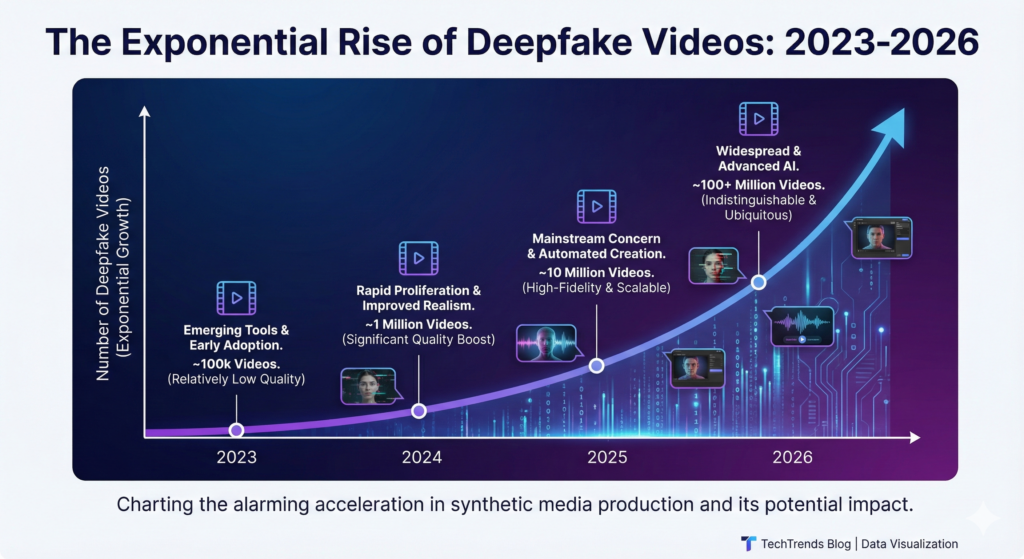
A deepfake is a video or audio recording that has been manipulated by AI to make it look like someone is saying or doing something they never did. In the early days, these were easy to spot—maybe the lips didn’t sync perfectly, or the eyes looked glassy. Today, they are becoming nearly indistinguishable from reality.
This technology breaks down the fundamental trust we have in video evidence. For decades, we have operated on the belief that “seeing is believing.” Deepfakes destroy that assumption.
The Threat to Democracy and Society
The implications for society are severe. We have already seen examples of fake news reports that look like legitimate broadcasts, featuring AI-generated news anchors delivering made-up stories.
- Political Manipulation: Malicious actors can create videos of politicians confusing facts, admitting to crimes, or making offensive statements right before an election. By the time the video is proven fake, the damage to public opinion is often already done.
- Financial Scams: Scammers are using voice cloning to call people, sounding exactly like a loved one in distress, begging for money. Similarly, there have been cases of deepfake CEOs hopping on video calls to order employees to transfer funds.
- Reputation Destruction: Innocent individuals can be targeted with fake compromising videos, leading to bullying, harassment, and ruined careers.
According to a report by the European Parliament, the volume of deepfakes is growing exponentially, with millions of such files expected to flood the internet in the coming years. This creates a “liar’s dividend,” where legitimate bad behavior can be dismissed as “just a deepfake,” making it harder to hold powerful people accountable.
For more on the scale of this problem, you can read about Deepfake Statistics and Trends from the European Parliament, which highlights the rapid increase in synthetic media.
Moving Forward: Using AI Video Responsibly
So, are we doomed? Not necessarily. AI is a tool, and like any tool, its impact depends on how we use it. To tackle these problems, we need a collective effort from developers, lawmakers, and users.
1. Labeling and Transparency
The first step is honesty. If a video is made or significantly altered by AI, it should be clearly labeled. Viewers have a right to know if what they are watching is synthetic. Major social media platforms are beginning to implement “AI-generated” tags, but these rely heavily on user honesty.
2. Regulation and Laws
Governments are racing to catch up. We need strong laws that protect an individual’s “digital likeness.” You should own your face and your voice. Furthermore, there must be legal consequences for creating harmful deepfakes.
For a deeper dive into how the US government is handling these intellectual property issues, you can explore the Congressional report on Generative AI and Copyright Law.
3. Technology Fighting Technology
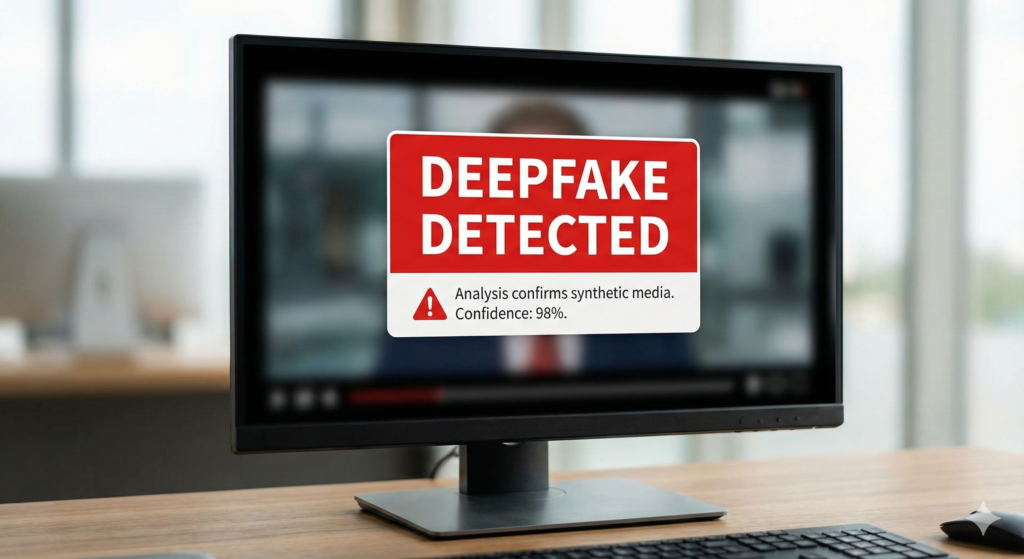
Ironically, AI is also our best defense against AI. Tech companies are developing detection tools that can analyze video files for the tiny, invisible signs of manipulation that human eyes miss. These “deepfake detectors” will become standard features in our web browsers and social apps.
4. Media Literacy: The Human Element
Ultimately, the most important defense is you. We all need to become smarter consumers of media. We must learn to pause before we share. If a video provokes a strong emotional reaction—anger, fear, or shock—take a moment to verify the source. Check if reputable news outlets are reporting the same story.
We need to teach these critical thinking skills in schools, ensuring that the next generation understands how to navigate a world where video can be fiction.
Conclusion
AI video technology offers amazing possibilities. It can unlock creativity, lower costs, and help small businesses compete with giants. Imagine a world where anyone with a great story can turn it into a movie, regardless of their budget. That is a future worth striving for.
However, we cannot ignore the serious challenges. By focusing on ethical development, being transparent about what is real, and helping everyone become media-savvy, we can use AI’s power for good while protecting ourselves from the dangers of misinformation.
The world of content creation is moving fast. Don’t get left behind. Learn more about what is being done to combat bad practices with the NO FAKES Act here. To stay updated on the latest tools, tips, and tutorials, subscribe to the YT Torials newsletter for weekly updates delivered to your inbox. Also, be sure to subscribe to the YT Torials YouTube page for in-depth video guides on mastering these new technologies!

No responses yet