Making a living off of your content is the name of the game.
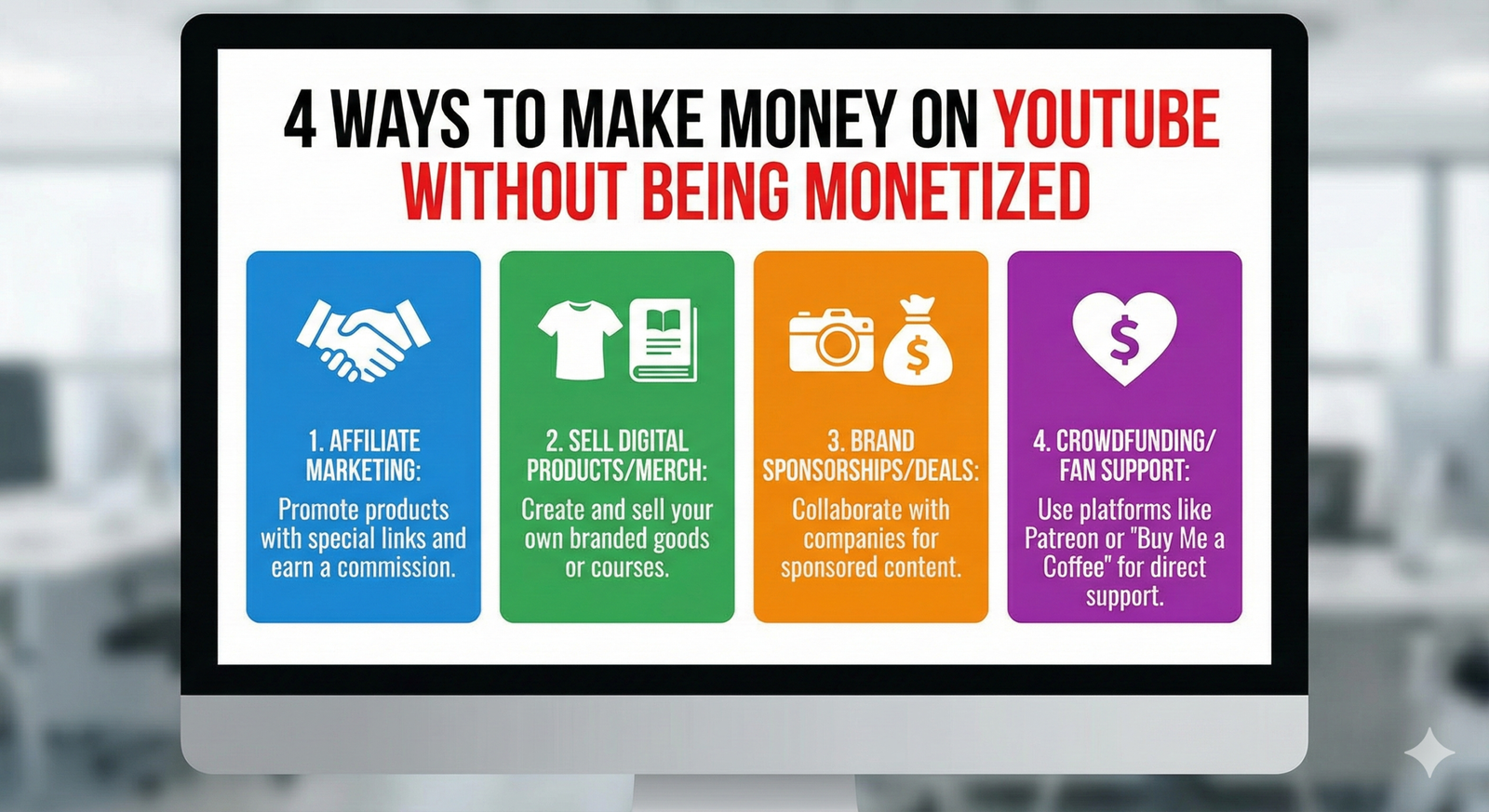
Most creators think the only path to success is becoming a partner with YouTube to start getting ad revenue (the YouTube Partner Program or YPP). That is often the only way they try to make money.
But here’s the thing: You don’t need to be a partner to make money on YouTube.
Waiting for 1,000 subscribers and 4,000 watch hours can take months or even years. If you rely solely on ad revenue, you are leaving money on the table. In the modern creator economy, you can build a sustainable income stream from day one, even with a small audience.
So how can you make money on YouTube without being a YouTube partner? Let’s explore four powerful strategies you can implement today to start seeing a return on your hard work.
Read below for the answers (or click on the video below).
Method #1 affiliate marketing.
Affiliate marketing is often the easiest way for new YouTubers to earn their first dollar.
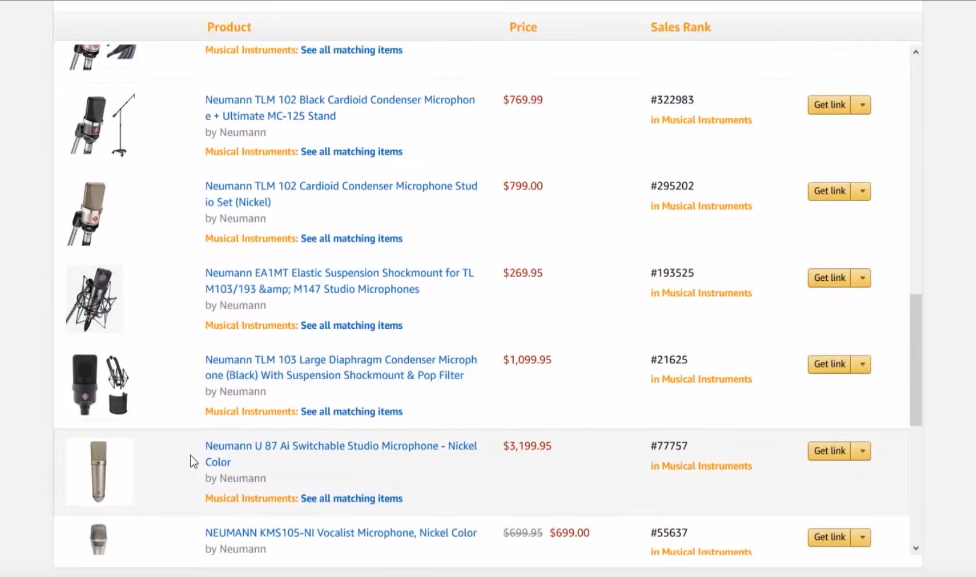
What is it? Affiliate marketing is when you advertise for a specific company. That company gives you a unique link (called an affiliate link) to share with your audience. When a viewer clicks that link and makes a purchase, you earn a commission on that product, subscription, or service.
How to Find Affiliate Programs
You can find products to promote in two main ways:
- Affiliate Marketplaces: These are platforms where you can find hundreds of different companies that are looking for marketers. Popular networks include Amazon Associates, ShareASale, and Impact.
- Direct Programs: If you can’t find a specific company on a marketplace, go to their website. Scroll to the bottom of their homepage and look for a link that says “Affiliate,” “Partners,” or “Ambassadors.”
Where to Put Your Links
Once you have your unique link, you need to place it where people can see it.
- Video Description: Place the link in the first few lines of your description so viewers don’t have to click “show more” to see it.
- Pinned Comment: Post a comment with your link and pin it to the top of the comment section. This is often the most clicked area.
- Community Tab: If you have access to the Community Tab, you can post polls or images with your link attached.
Important Note on Rules: According to theFederal Trade Commission (FTC), you must disclose when you are using affiliate links. A simple note like “Links below are affiliate links, meaning I earn a small commission at no extra cost to you” builds trust and keeps you legal.
Method #2 Sponsorships
The difference between a sponsorship and affiliate marketing is that you get paid regardless of sales.
What is it? With affiliate marketing, people have to use your link and buy something for you to get paid. With a sponsorship, you negotiate a flat price with a company to include a commercial or mention in your video.
You Don’t Need to Be Famous
Many creators believe they need 100,000 subscribers to get a sponsor. This is false. Brands are increasingly looking for Micro-Influencers (creators with 1,000 to 10,000 subscribers) because they often have more engaged and trusting audiences.
How a Deal Works
Let’s say you make a video about tech gadgets. You reach out to XYZ Company, or they reach out to you.
- Negotiation: You agree on the deliverables. For example: “I will talk about your product for 60 seconds in the beginning of my video.”
- Pricing: You agree on a fee. For instance, they might say, “We will pay you $2,000 for one integration.”
- Production: You record the video, send it to them for approval, and upload it.
- Payment: You send them an invoice and get paid the $2,000.
If you are just learning how to start a YouTube channel, focus on a specific niche. Brands pay more for focused audiences (like “vegan cooking” or “budget travel”) than for random vlog audiences.
Method #3 Promote your own product
You might be thinking, “I don’t have the money to buy inventory” or “I don’t know how to ship boxes.”
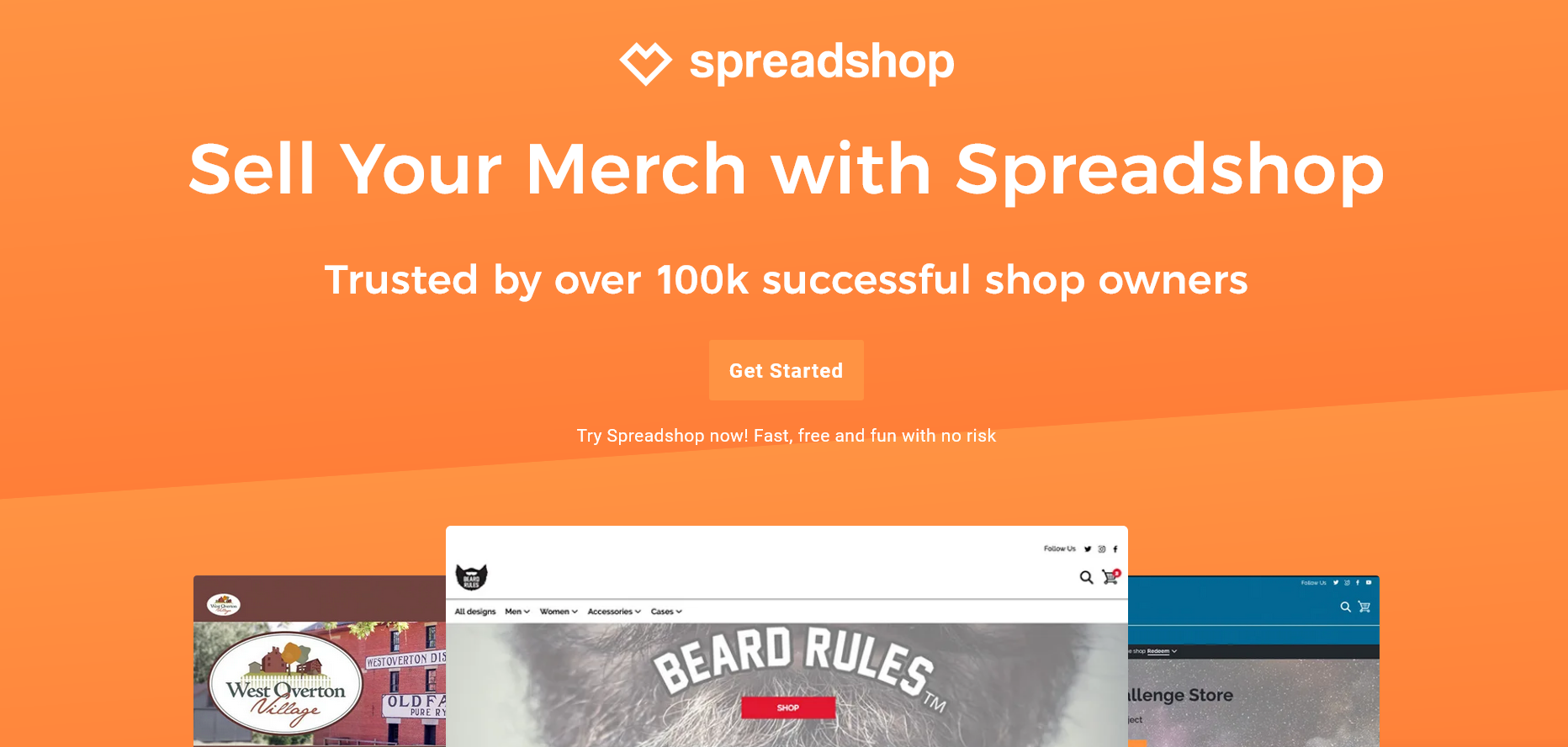
The good news is that you can create your own product for free using a method called Print on Demand (POD).
How It Works
You create a design, and a third-party company prints it on a shirt, hat, or mug only after a customer buys it. They handle the printing, shipping, and customer service. You just keep the profit.
Steps to Get Started:
- Design: Use easy graphic design tools like Canva or Placeit to build a design. It could be your channel logo, a catchphrase, or an inside joke your community loves.
- Upload: Go to a POD platform like Spreadshop, Teespring, or Printful.
- Build a Store: Create your storefront and upload your designs onto shirts, hats, and hoodies.
- Set Your Price: These platforms set a “base price” (the cost to make the item). You add your profit margin on top.
- Example: Base price is $15. You sell the shirt for $25. Your profit is $10.
This strategy allows you to build a brand without risking your own money. As you grow, you can even use video editing software to create professional commercials for your own merch to include in your content.
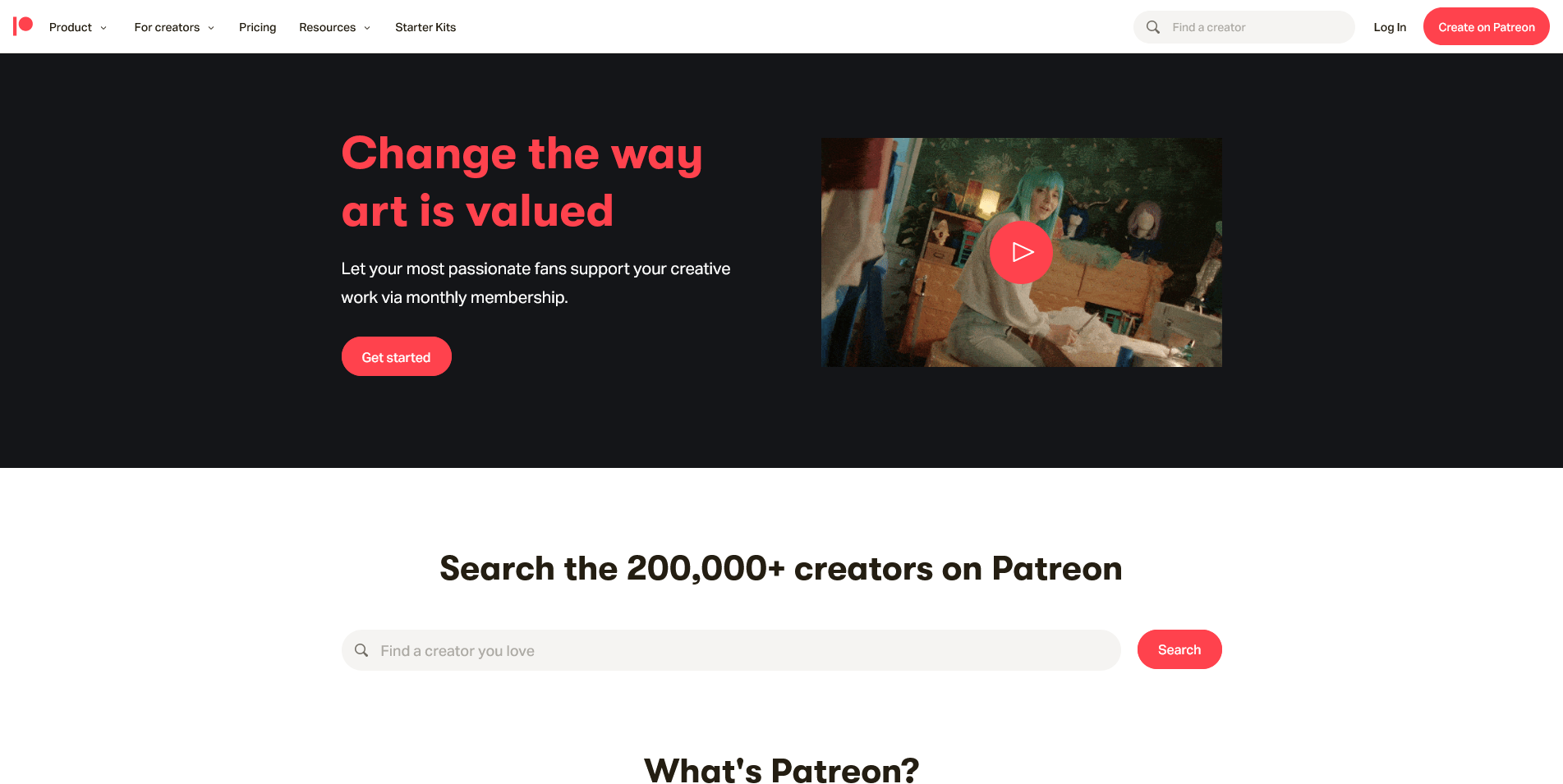
Method #4 Crowdfunding
Crowdfunding is where your fans donate to your channel to help you keep doing what you are doing.
If your audience values the education or entertainment you provide, they are often willing to support you directly. This turns your channel from a hobby into a community-funded business.
Popular Platforms
- Patreon: The most famous platform. You can set up monthly membership tiers.
- Ko-fi / Buy Me a Coffee: Great for one-time donations (e.g., “Buy me a coffee for $5”).
- PayPal: A direct way to receive support, though it offers fewer features for community building.
- YouTube Memberships: YouTube has its own version called “Channel Memberships,” but remember: you do need to be monetized in the Partner Program to use this specific feature. Use Patreon or Ko-fi until you reach that level.
Giving Value Back
To make crowdfunding work, you usually need to offer rewards. You shouldn’t just ask for money; you should offer an exchange.
- Tier 1 ($5/month): Early access to videos.
- Tier 2 ($10/month): Exclusive behind-the-scenes content or live streams.
- Tier 3 ($25/month): Their name in the credits of your videos.
Crowdfunding relies heavily on the “Creator Economy,” a market that is projected to reach over $480 billion by 2027. This shows that viewers are used to paying creators directly for the content they love.
Conclusion
Making money on YouTube is not just about ad revenue. In fact, relying only on ads is risky because YouTube can change the rates at any time. By building income streams through affiliate marketing, sponsorships, your own merchandise, and crowdfunding, you take control of your financial future.
You don’t need millions of views; you just need a loyal audience and a smart strategy. Start with one of these methods today, be consistent, and watch your channel grow into a business.
Ready to take your channel to the next level? Subscribe to the YT Torials newsletter for weekly tips, tricks, and strategies delivered straight to your inbox!
Follow YT Torials:

No responses yet