Starting a kids’ YouTube channel is one of the most rewarding creative journeys you can take in 2026. You must understand the strict rules of the road before hitting record. Consequently, success in this niche requires a strategy that balances creative magic with rigid safety compliance. Whether you want to build an educational empire or share fun family adventures, the digital landscape has shifted. Parents are actively searching for screen time that serves as a developmental tool rather than a mere distraction. Therefore, your absolute first step is deciding what specific value you intend to provide to modern families.
Table of Contents
- Understanding the Kids’ Landscape in 2026
- Case Study 1: The Ms. Rachel “Parent-First” Strategy
- Case Study 2: Kunda and Friends and Cultural Representation
- Choosing Your Niche: 5 Profitable Ideas
- The Creative Strategy: Developing Your Hook
- The Scripting Secret: Writing for Toddlers
- Production Secrets: Pacing and Visual Cues
- YouTube Kids Monetization: The 2026 Reality
- Technical Setup: Gear for Kids’ Content
- Safety and Compliance: Navigating COPPA 2.0
- Marketing Your Channel: Beyond the Algorithm
- Common Pitfalls to Avoid
- Summary and Next Steps
Understanding the Kids’ Landscape in 2026
The world of children’s digital media has evolved rapidly over the last few years. Creators could once focus solely on generating views through bright colors and loud noises. Today, the platform algorithm actively prioritizes high-quality, enriching videos over mindless loops. Specifically, YouTube evaluates content as “Made for Kids” based on subject matter, language, and the presence of child actors. You must comply with the YouTube Kids policies to ensure your channel remains active and in good standing.
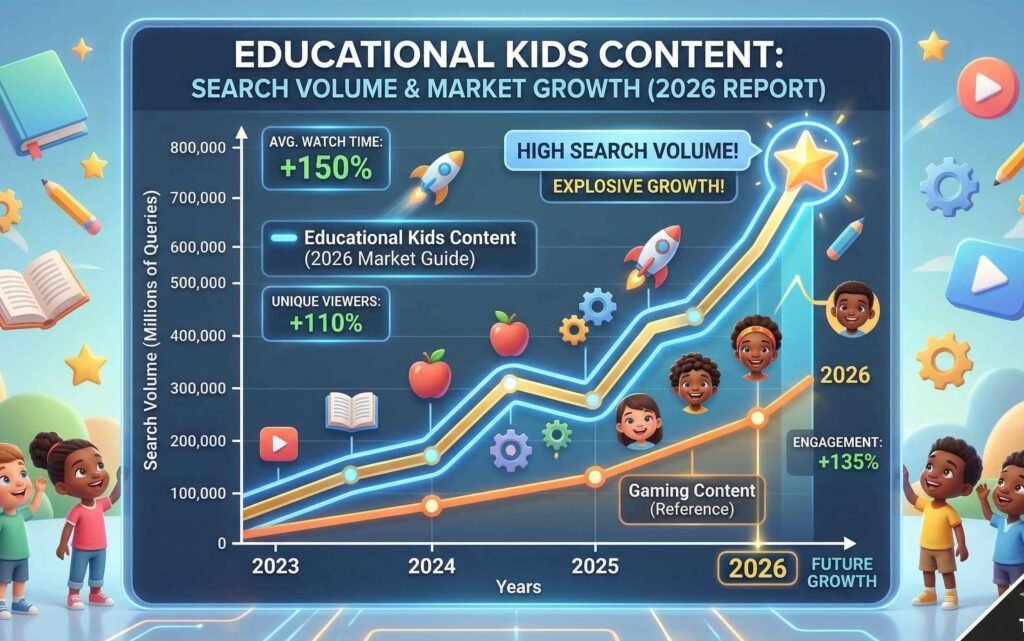
The primary audience is no longer just the children watching the screen. It is actually the parents who curate and control the content. Recent data from the Pew Research Center shows that a vast majority of parents use YouTube specifically to help their children learn new things. As a result, channels that offer legitimate educational value are growing much faster than pure entertainment channels. This massive shift means that “edutainment” is the undisputed gold standard for creators today.
Case Study 1: The Ms. Rachel “Parent-First” Strategy
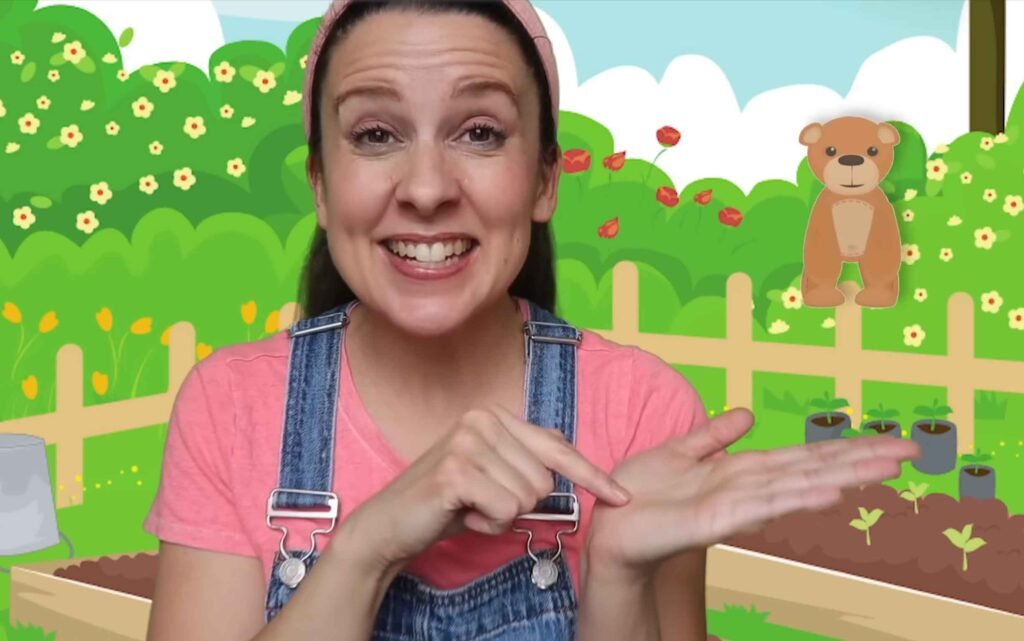
Ms. Rachel (Rachel Accurso) transformed from a preschool teacher into a global phenomenon by solving a very specific problem. She noticed a severe lack of research-backed speech development content on YouTube for toddlers. Her massive success offers three vital lessons for any new creator entering the space.
1. Authenticity and Expertise
Ms. Rachel didn’t just put on a silly costume and sing random songs. She used her deep background in music education and speech pathology to create a focused teaching style. She uses the “motherese” technique, which involves slow, melodic speech and highly exaggerated facial expressions. Furthermore, this technique helps toddlers process language better by focusing on clear mouth movements. Her simple, low-budget human connection remains her absolute greatest strength. You do not need high-end computer graphics if your on-screen empathy is strong.
2. Consistency in Branding
If you see a pink shirt and denim overalls, you instantly think of Ms. Rachel. This visual consistency is crucial for young children who rely on basic pattern recognition to learn. When you start your channel, you should choose a “uniform” or a recurring visual theme. Consequently, your brand will quickly become a familiar, trusted friend in the viewer’s household. It also makes your custom thumbnails instantly recognizable in a crowded subscription feed. Kids will physically tap on your face because they associate it with a positive experience.
3. Solving a Pain Point
Parents often feel intense guilt about allowing their children too much daily screen time. Ms. Rachel successfully removed that guilt by making the screen time highly interactive and educational. She asks direct questions and waits for the child to “answer” through the screen. Thus, her videos function as interactive speech lessons rather than passive entertainment. If you want to master how to go viral on YouTube, you must create content that parents proudly share with other parents.
Case Study 2: Kunda and Friends and Cultural Representation
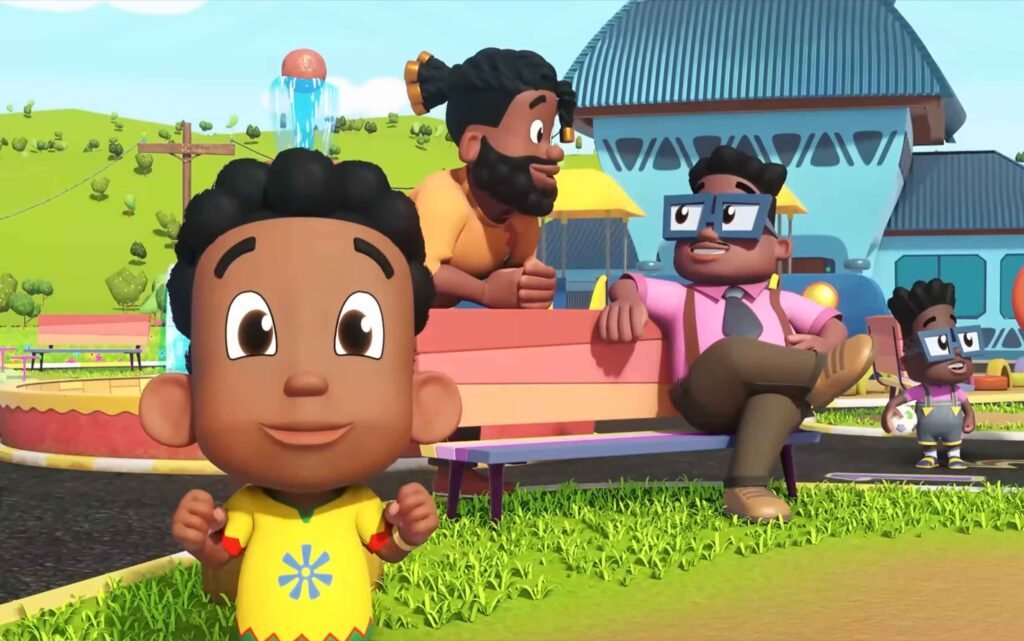
While Ms. Rachel focuses on developmental milestones, Kunda and Friends focuses on cultural pride and “edutainment” through a vibrant African lens. Created by Oladele and Louisa Olafuyi, this channel proves that niche representation is a powerful growth engine.
1. The Power of Rhythm
Kunda and Friends uses high-energy Afrobeats-inspired music to teach basic childhood lessons. They purposefully lean into rhythm and dance to keep children physically engaged with the content. Music is a universal language that appeals to all ages. However, by adding a specific cultural flavor, they stand out easily in a sea of generic nursery rhymes. Music is often the primary way young children memorize new information in their early years.
2. Modern 3D Animation
Unlike the “DIY” feel of Ms. Rachel, Kunda and Friends uses professional, high-quality 3D animation. This clearly shows that there are two distinct paths to success in the kids’ niche today. You can choose the “Human Connection” path or the immersive “World-Building” path. If you choose animation, you must focus on creating characters who have distinct, relatable personalities. You must also remember that high-quality animation requires a much higher initial investment of capital.
3. Global Appeal
Although the stories are rooted deeply in African culture, the core themes of friendship and confidence are global. By focusing on a specific underserved community, they built a very vocal and loyal following. That initial following then expanded naturally to a massive mainstream global audience. Therefore, this proves that targeting a “niche” does not mean your channel will remain small. Being authentic to your cultural roots can actually be a massive competitive advantage.
Choosing Your Niche: 5 Profitable Ideas
Before you record your first video, you must pick a specific content lane. You want to find the exact intersection of what you love and what parents are actively searching for online. Here are five channel niches that are performing exceptionally well this year:
- Emotional Intelligence (EQ): Videos that teach children how to handle “big feelings” like anger or sadness safely.
- Eco-Explorers: Content that focuses on nature, gardening, and taking care of the planet through hands-on outdoor activities.
- Sign Language: Teaching basic ASL or focusing on inclusive stories about children with different physical abilities.
- STEM Challenges: Simple, safe science experiments that parents can replicate at home using basic kitchen supplies.
- Bilingual Basics: Teaching two languages simultaneously through catchy songs and repetition.
You should strictly avoid the “unboxing” or toy-review niche if you are just starting out. Specifically, new regulations regarding commercialism have made those channels much harder to monetize and grow. Sticking to purely educational content is definitely the safer path for long-term brand growth.
The Creative Strategy: Developing Your Hook
How do you actually plan your first ten channel videos? You need a “Creative North Star” that guides every single production decision. First, you must clearly define your unique “Hook.” For instance, are you teaching basic sign language or showing kids how to build massive LEGO castles? Kids love absolute familiarity and will happily watch the exact same video fifty times. Consequently, repeating certain catchphrases or greeting songs in every single video builds a deep sense of comfort.
You must also include interactive elements throughout your video timeline. Always speak directly to the camera lens as if you are talking to one specific child. Use the classic “pause” technique frequently. Specifically, this is when you ask a question like “Can you find the blue ball?” and wait three silent seconds before answering. Ensure your filming environment is completely uncluttered and brightly lit.
The Scripting Secret: Writing for Toddlers
Writing a script for children is significantly harder than writing one for adults. You must simplify your complex language without ever talking down to your young audience. Keep all of your sentences incredibly short and action-oriented. Instead of saying, “We are going to explore various deciduous trees,” you should say, “Let’s find some big green leaves!”
You should also utilize “The Rule of Three” in your writing. Introduce a new concept, demonstrate it visually, and then review it at the end of the scene. This basic structure helps children retain new information and feel a sense of accomplishment. Because children have notably shorter attention spans, your video pacing must be highly intentional. Do not rush your speech, but never linger on one static camera shot for more than five seconds.
Production Secrets: Pacing and Visual Cues
In 2026, the baseline quality of your production matters more than ever before. This “quality” doesn’t necessarily mean buying cinema cameras; it simply means extreme visual clarity. Children need to see your mouth clearly to understand complex speech patterns. Therefore, you should heavily use a “talking head” style where your face takes up a significant portion of the video frame.
Use dynamic on-screen text sparingly but very effectively. Large, colorful letters that pop up exactly when you say a word can help with early childhood literacy. Use a clear, sans-serif font like Helvetica because it is much easier for developing eyes to read. In fact, many top channels use a “bouncing ball” effect to show exactly which word is currently being spoken. Parents will ultimately view your channel as a legitimate reading tool if you do this correctly.
YouTube Kids Monetization: The 2026 Reality
Monetizing a kids’ channel is vastly different than monetizing a standard gaming or tech channel. The Children’s Online Privacy Protection Act (COPPA) mandates that personalized ads are strictly disabled on all “Made for Kids” content. Consequently, your traditional ad revenue will be much lower.
To enter the YouTube Partner Program (YPP), you still need 1,000 subscribers and 4,000 watch hours. Once you are accepted, you will only earn money from contextual advertisements. These are basic ads based purely on the video content itself, not the individual viewer’s private browsing data. As a result, the revenue per thousand views (RPM) is historically lower than on general audience channels.
Successful kids’ creators rarely rely on standard ad revenue alone to survive. You must actively build diversified revenue streams from day one. For example, you can create physical merchandising like plushies, t-shirts, and printed activity books. Brand partnerships with educational toy companies are also highly lucrative. Finally, many large creators eventually license their top-performing content to major streaming platforms like Netflix or Hulu.
Technical Setup: Gear for Kids’ Content
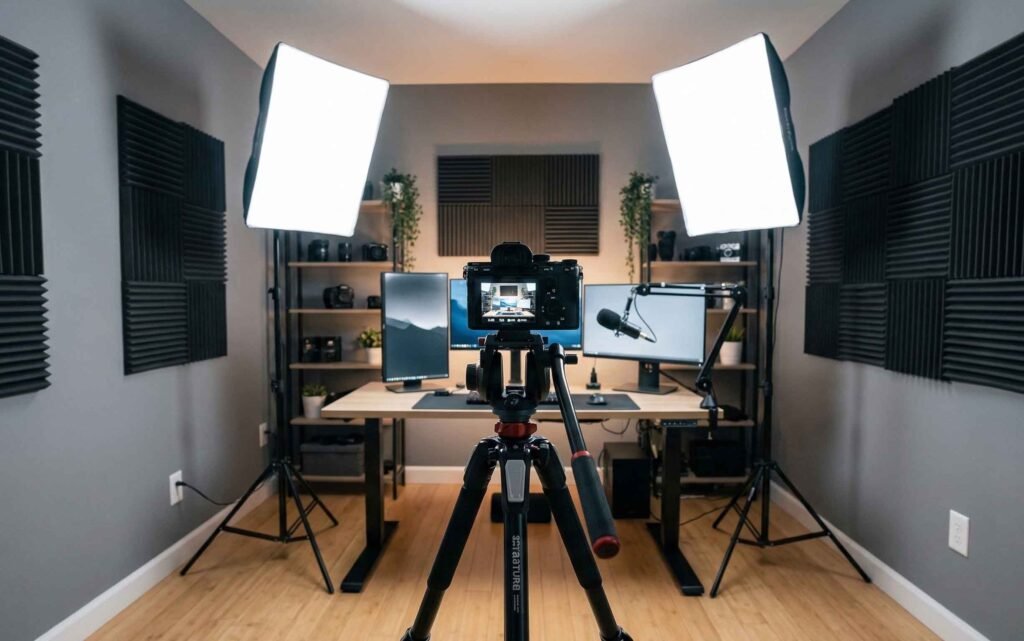
You absolutely do not need a Hollywood studio budget to start your journey. You just need clear audio and bright video to look professional and gain immediate parent trust.
- Camera: A modern smartphone or a Sony ZV-E10 is perfect. Clear video is completely essential for visual learning.
- Lighting: Softbox lights or bright natural window light work best. Specifically, soft lighting creates a safe, welcoming, and warm mood.
- Audio: A DJI Mic 2 or a Rode Wireless ME is highly recommended. Kids desperately need to hear your phonics and vocal tones clearly.
- Background: Use solid bright colors or a clean “Teacher” set. Furthermore, a messy or busy background is highly distracting for young viewers trying to focus.
You should also invest in fast, reliable editing software like CapCut Pro or Adobe Premiere. Use bright, clear captions to heavily assist children with early reading skills. Therefore, your fun videos double as a vital tool for language development.
Safety and Compliance: Navigating COPPA 2.0
Digital privacy is the single most important part of your new business. If you fail to protect children here, your channel will be deleted permanently. Additionally, you could face massive financial fines from the Federal Trade Commission (FTC).
Every single video must be manually labeled “Made for Kids” in your studio dashboard. YouTube automatically disables the comment section on this content to actively prevent cyberbullying and data collection. You must never ask children to give you their real names, home addresses, or personal emails in your videos. Moreover, you should deeply review the official FTC COPPA compliance guidance to ensure you are operating legally. If you treat your viewers with the exact same care you would give your own children, you are on the right track.
Marketing Your Channel: Beyond the Algorithm
You cannot just upload a great video and hope for the best results. You need to actively find where young parents hang out and discuss children’s content. Pinterest is an absolute goldmine for marketing educational content right now. Specifically, you should create highly visual “pins” that link directly back to your YouTube lessons.
Consider starting a dedicated Facebook group for the parents who regularly follow your channel. This allows you to build a tight community and get direct feedback on what topics to cover next. You can then use these exact insights to create targeted content that you know will perform perfectly. Furthermore, collaborating on camera with other established kids’ creators can help you tap into a similar audience rapidly.
Common Pitfalls to Avoid
Many enthusiastic new creators fail because they fall into very common, avoidable traps. Do not try to copy giants like Cocomelon or Ms. Rachel exactly frame-for-frame. The internet simply doesn’t need another generic clone channel. Instead, you must find and embrace your own highly unique voice and skill set.
Do not ignore your back-end analytics dashboard. Even though you have fewer data points on kids’ content, you can still clearly see where viewers drop off. Do not burn yourself out by trying to do too much production at once. Therefore, you must set a highly sustainable schedule of one or two videos per week rather than daily uploads. Quality is always much more important than quantity in the kids’ niche because parents prioritize excellence.
Summary and Next Steps
Starting a kids’ YouTube channel in 2026 is about much more than just making fun videos. It is about systematically building a reliable brand that parents deeply trust and children genuinely love. By closely studying the human-centric approach of Ms. Rachel and the cultural depth of Kunda and Friends, you can easily find your own unique voice. You must focus on real educational value, maintain strict safety standards, and safely diversify your income beyond simple ads. Ultimately, the most successful modern creators are those who show up consistently with a pure heart for helping the next generation grow.
The best channel ideas often come from studying content outside your immediate bubble. Turn cross-niche curiosity into a clear growth roadmap with our YouTube Niche Channel Growth Strategy. Ready to turn your vision into a viral sensation? Subscribe to the YT Torials newsletter for weekly deep dives into the latest algorithm shifts.

No responses yet